Beyond Storage: Smart Vacuum Sealing Tips to Upgrade Your Kitchen Routine
Apr 16,2026 | Phoebe
Vacuum sealing is often seen as a simple way to store food—but in reality, it’s one of the most versatile tools in a modern kitchen. From preserving freshness to speeding up meal prep, mastering a few smart techniques can completely change how you cook, store, and plan your meals.
If you already own a vacuum sealer, here’s how to get more out of it.
1. Think in Portions, Not in Bulk
Most people vacuum seal after cooking—but the real efficiency starts before that.
Instead of storing large quantities:
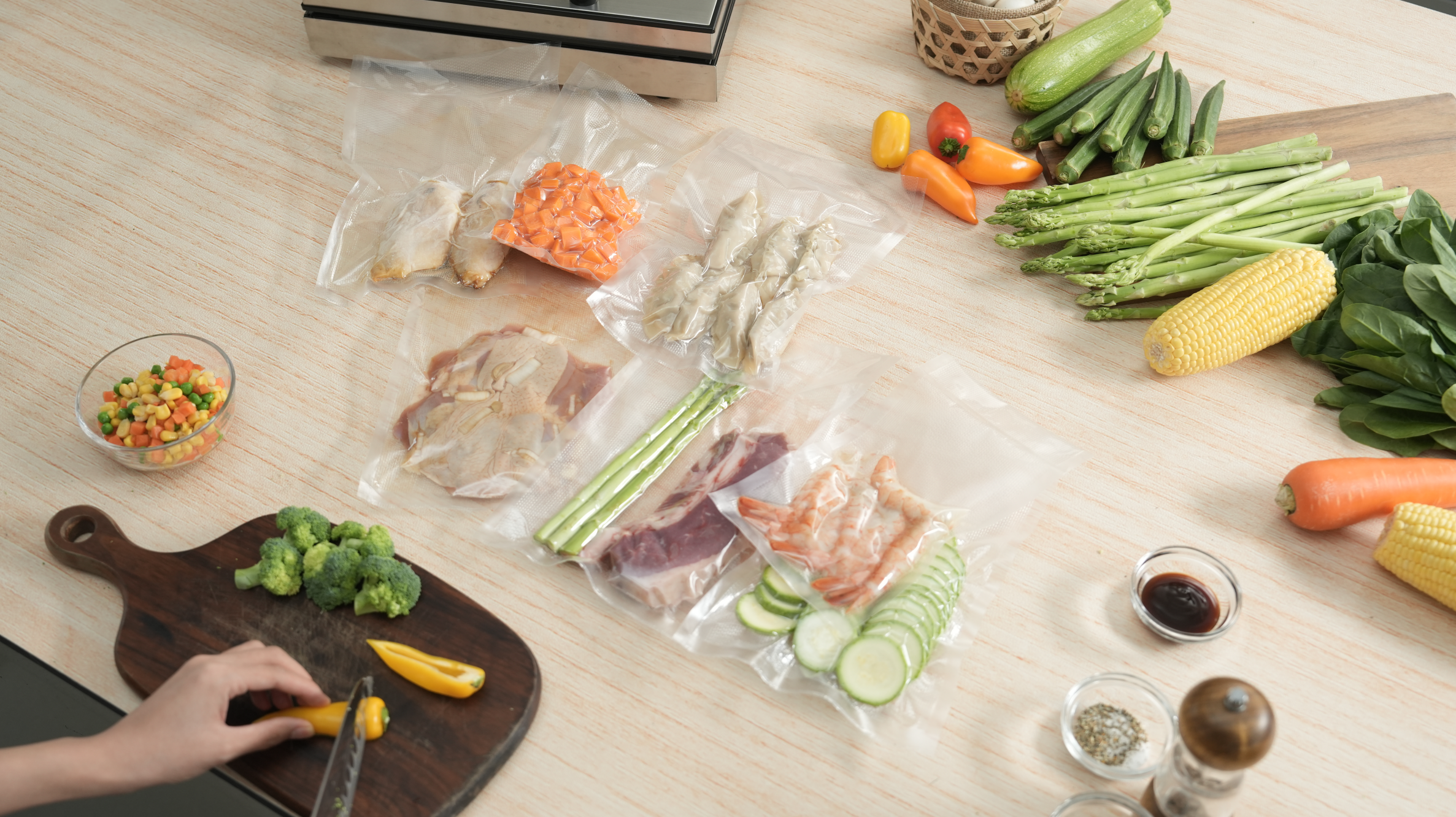
- Divide proteins into meal-sized portions
- Pre-season or marinate before sealing
- Label by date and flavor
This way, you’re not just preserving food—you’re creating ready-to-cook meals.
2. Control Moisture for a Better Seal
One of the most common mistakes is sealing food that’s too wet.
To ensure a strong, reliable seal:
- Pat meats and vegetables dry before sealing
- Pre-freeze sauces or marinated items
- Leave enough space at the top of the bag (2–3 inches recommended)
Moisture can interfere with the sealing strip, leading to air leaks and reduced freshness.
Or, simplify the process with the right equipment.
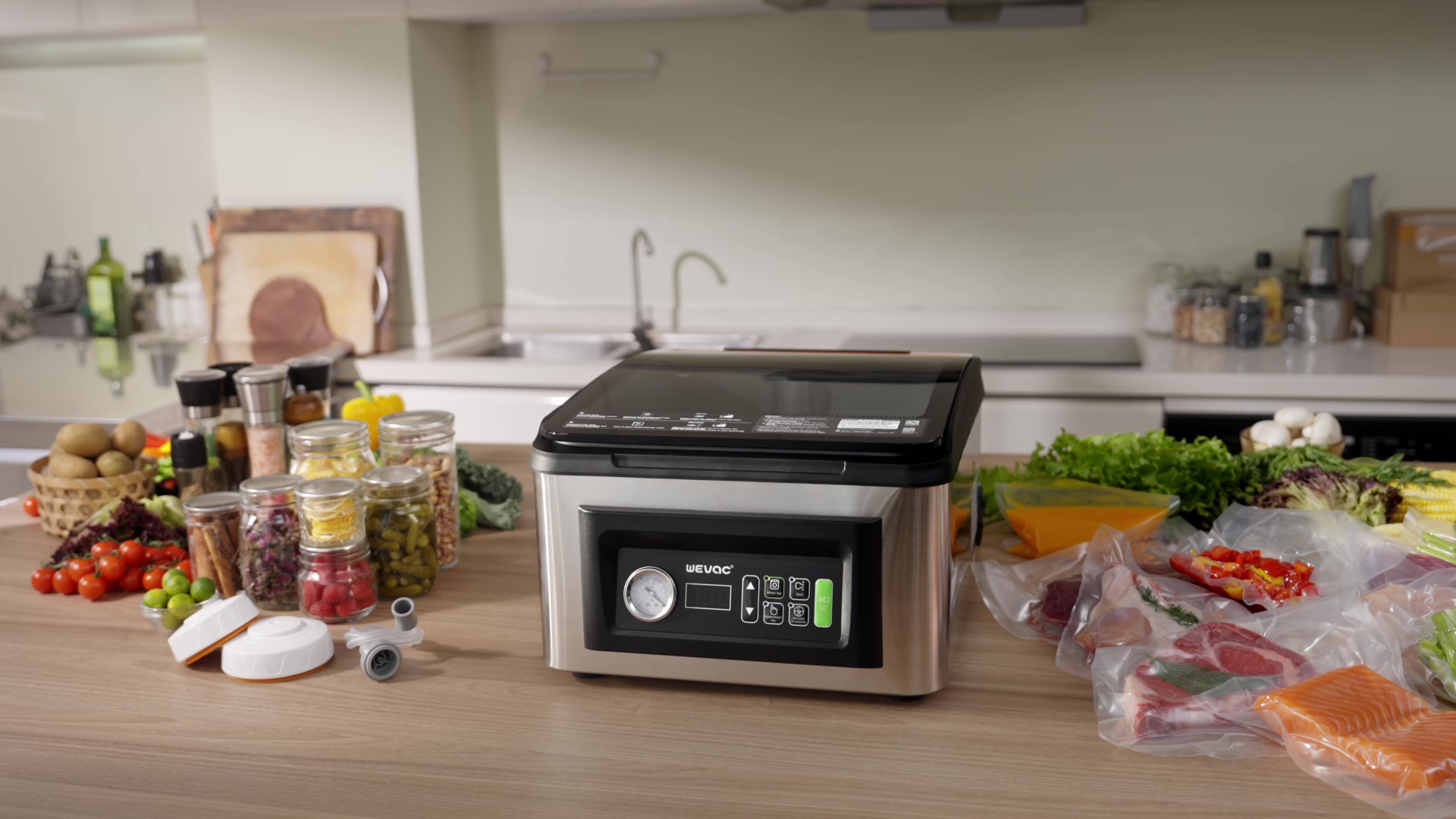
With advanced models like the WEVAC CV12 Pro, you can vacuum seal liquids directly—no pre-freezing required. It’s a more efficient solution for soups, sauces, and marinated foods, helping you save time while ensuring a clean, secure seal.
3. Use Vacuum Sealing to Enhance Flavor
Vacuum sealing isn’t just about storage—it can actually improve taste.
When sealing food with marinades:
- Vacuum pressure helps flavors penetrate faster
- Marinating time can drop from hours to minutes
Perfect for:
- Quick weeknight meals
- Efficient meal prep
- Sous vide cooking
4. Freeze Smarter, Not Harder
Freezing food is easy—freezing it well is different.
Vacuum sealing helps:
- Minimize air exposure
- Preserve texture and moisture
- Keep food organized and stackable
Pro tip:
Freeze delicate items like berries or fish first, then vacuum seal to prevent crushing.
5. Extend Freshness Beyond the Freezer
Vacuum sealing isn’t limited to frozen storage.
You can also use it for:
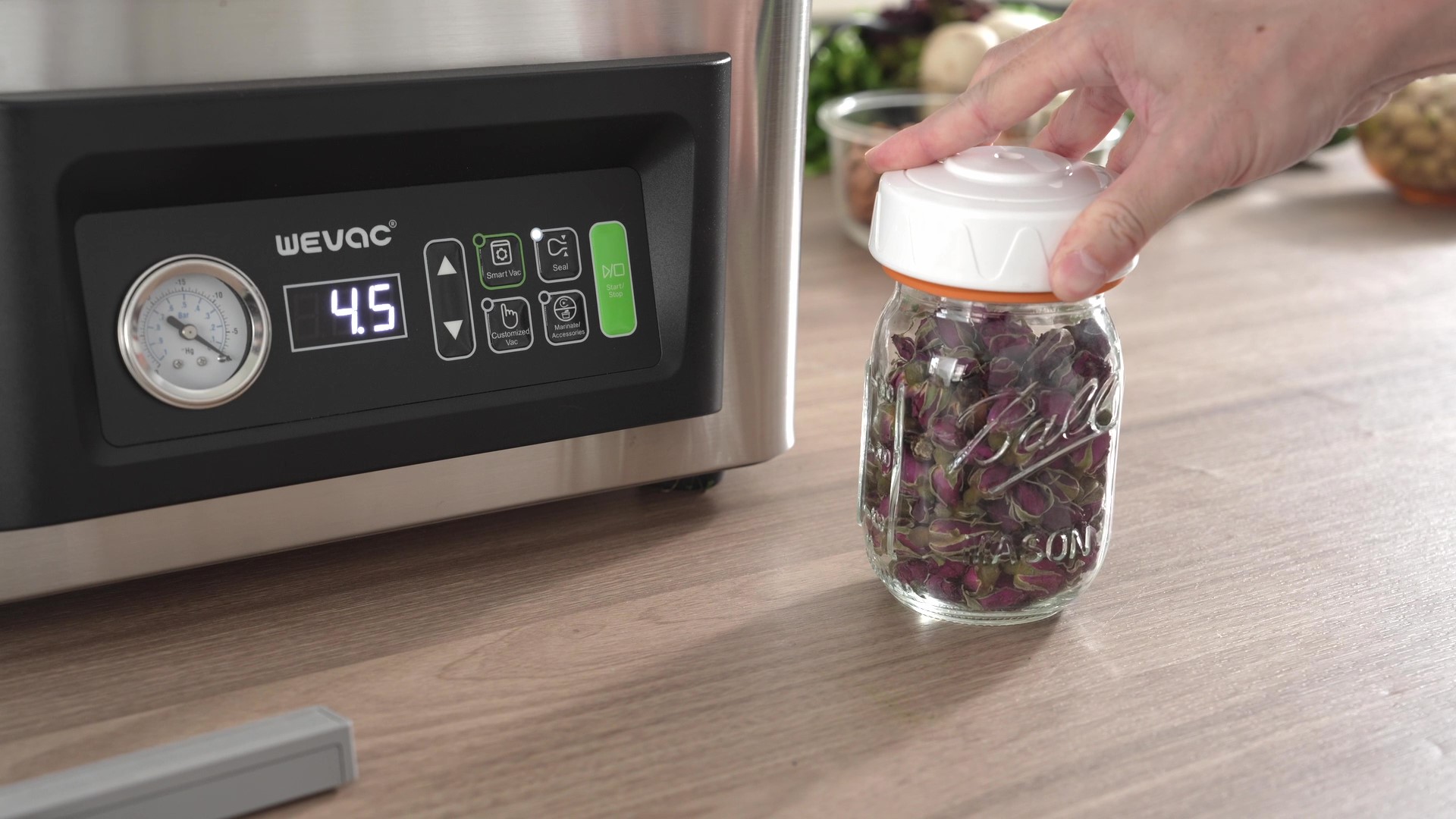
- Coffee beans and tea
- Dry goods like rice, pasta, and nuts
- Fresh produce (when properly dried)
By reducing oxygen exposure, vacuum sealing slows down oxidation—the main cause of flavor loss.
6. Save Space, Reduce Waste
Vacuum sealing makes your kitchen more efficient:
- Bags take up less space than bulky containers
- Flat storage improves organization
- Portion control helps reduce food waste
For busy households, this means fewer forgotten leftovers and smarter grocery use.
7. Know What NOT to Vacuum Seal
Not everything should go into a vacuum bag.
Avoid sealing:
- Fresh garlic and mushrooms
- Soft cheeses
- Certain raw vegetables that release gases
These foods may spoil faster or require airflow for safe storage.
Because sometimes, the simplest tools don’t just preserve food—
they change the way you cook, plan, and enjoy everyday meals.
With the right vacuum sealing habits, your kitchen becomes more efficient, your ingredients last longer, and your meals come together with less effort.
Ready to make the most of your ingredients?
Explore WEVAC’s vacuum sealers and bags to start sealing smarter, reducing waste, and bringing more ease into your daily routine.
コメントを投稿